
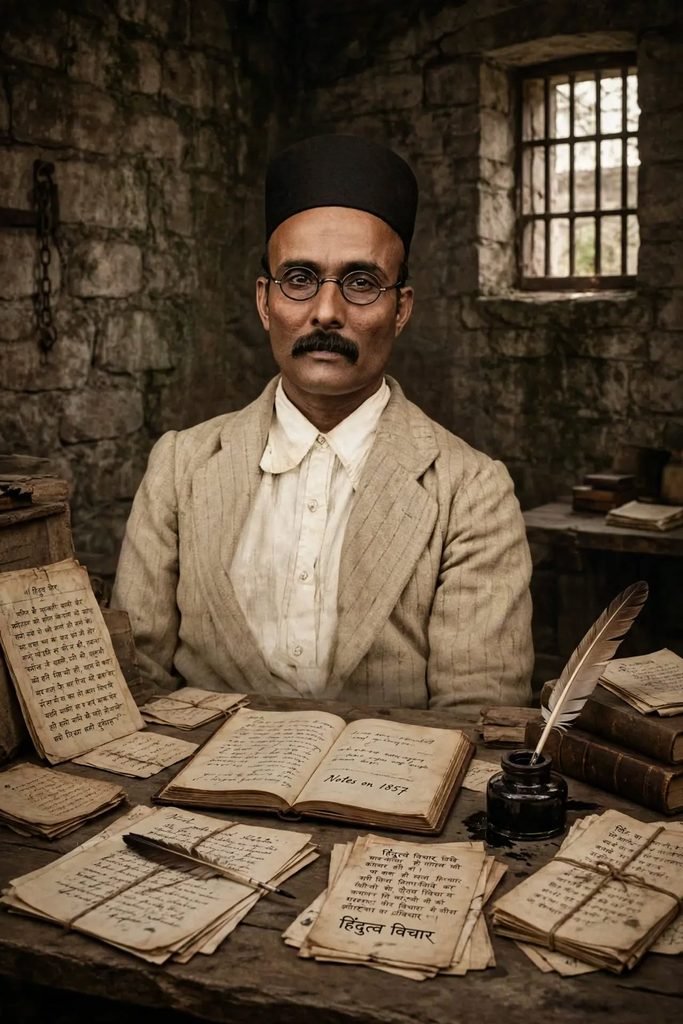
Few figures in modern Indian history have generated as much debate, admiration, and scholarly interest as Vinayak Damodar Savarkar, popularly known as Veer Savarkar. To describe him merely as a revolutionary would be reductive. Indeed, Veer Savarkar, was a multi-faceted personality—a freedom fighter, poet, historian, social reformer, political thinker, and a man whose ideas continue to influence India’s socio-political discourse.
Having studied Savarkar through multiple biographies such as Savarkar and His Times by Dhananjay Keer, Savarkar: Echoes from a Forgotten Past by Vikram Sampath, and critical essays by historians like Bipan Chandra, I can attest that his life cannot be confined to a single narrative.
Early Life and Revolutionary Zeal
![Image Placeholder: Young Savarkar with books and quill pen, symbolizing his intellectual beginnings]
Born in 1883 in Bhagur, Maharashtra, Savarkar’s early years were marked by a passion for learning and a fierce sense of patriotism. His formative years coincided with the rise of nationalist movements across India. While studying in London, he founded the Free India Society and authored The Indian War of Independence of 1857, a seminal work that reinterpreted the revolt of 1857 as a national struggle rather than a mere mutiny.
This book, banned by the British, circulated clandestinely and inspired generations of revolutionaries. Scholars often compare its impact to Thomas Paine’s Common Sense in the American Revolution.
The Freedom Fighter and Prisoner

Savarkar’s revolutionary activities led to his arrest and transportation to the infamous Cellular Jail in Andaman. His imprisonment was not just physical but intellectual. Despite inhumane conditions, he composed poetry on prison walls with nails and charcoal.
Books like Savarkar: True Story of the Andaman Years highlight his resilience. He transformed incarceration into a period of reflection, producing literature that blended patriotism with philosophical depth.
Literary Contributions
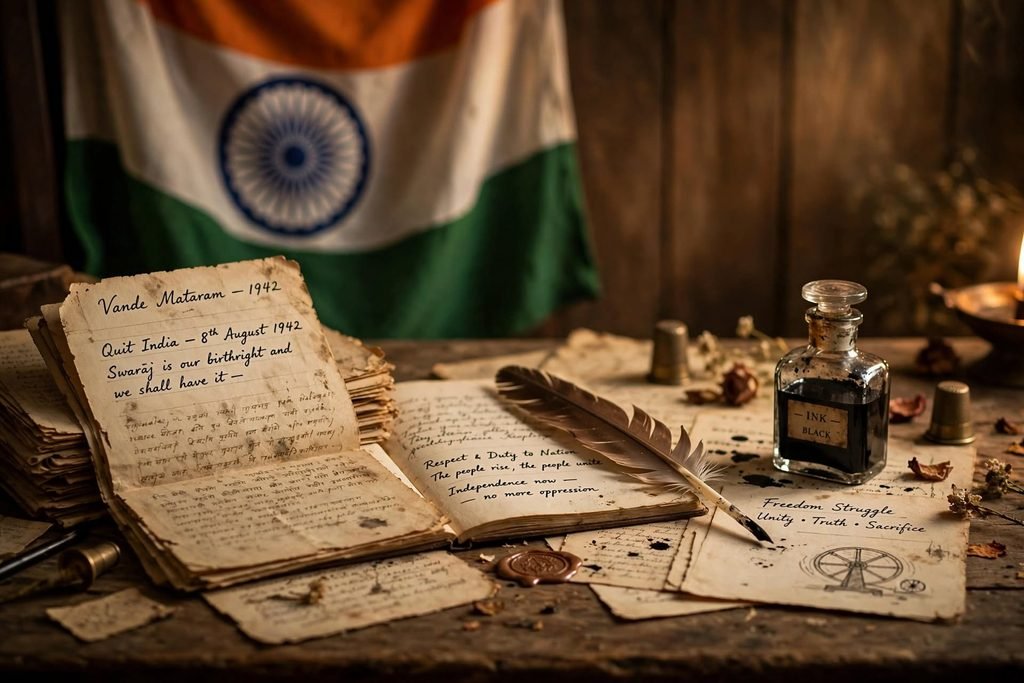
Savarkar’s writings reveal his intellectual breadth. His poetry, essays, and historical works demonstrate a mastery of language and a deep understanding of India’s cultural psyche.
- Kamala and Mazi Janmathep (My Life Sentence) are poignant accounts of his prison years.
- His reinterpretation of history challenged colonial narratives, positioning Indians as active agents rather than passive subjects.
- His essays on social reform advocated for the abolition of untouchability and caste discrimination.
As a content reviewer, I find his literary style both fiery and analytical—an unusual blend that made his works resonate with both masses and intellectuals.
Social Reformer
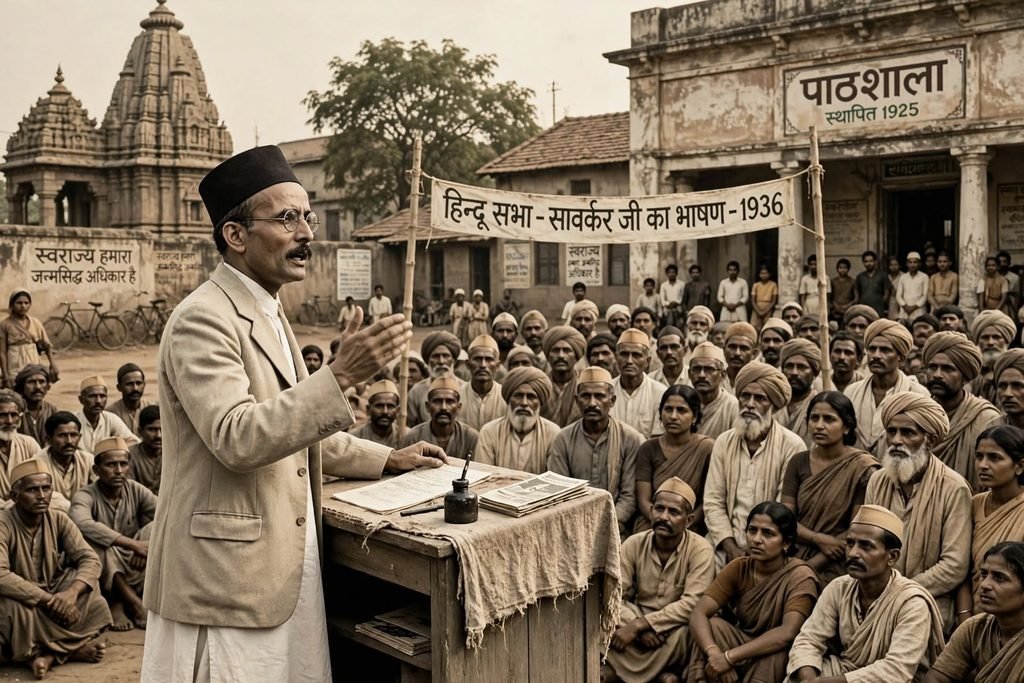
Savarkar’s reformist zeal extended beyond politics. He campaigned against untouchability, promoted inter-dining among castes, and encouraged widow remarriage. His vision of a modern India was rooted in rationalism and scientific temper.
Books like Savarkar and Social Reform emphasize that he was among the few nationalist leaders who saw social reform as integral to national liberation.
Political Thinker
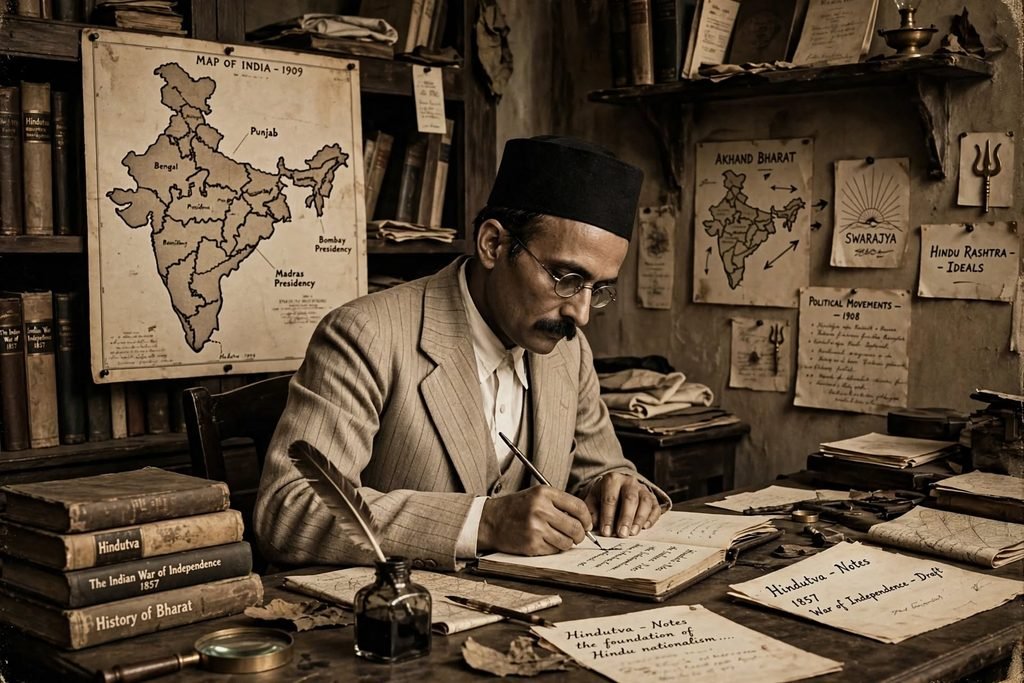
Savarkar’s political philosophy remains one of his most debated legacies. He articulated the concept of Hindutva in his 1923 work Essentials of Hindutva. While critics argue that it fostered exclusivity, supporters see it as a cultural identity framework.
From an SEO perspective, it’s vital to note that Veer Savarkar, was a multi-faceted personality precisely because his political thought cannot be divorced from his literary, social, and revolutionary contributions.
Legacy and Controversies
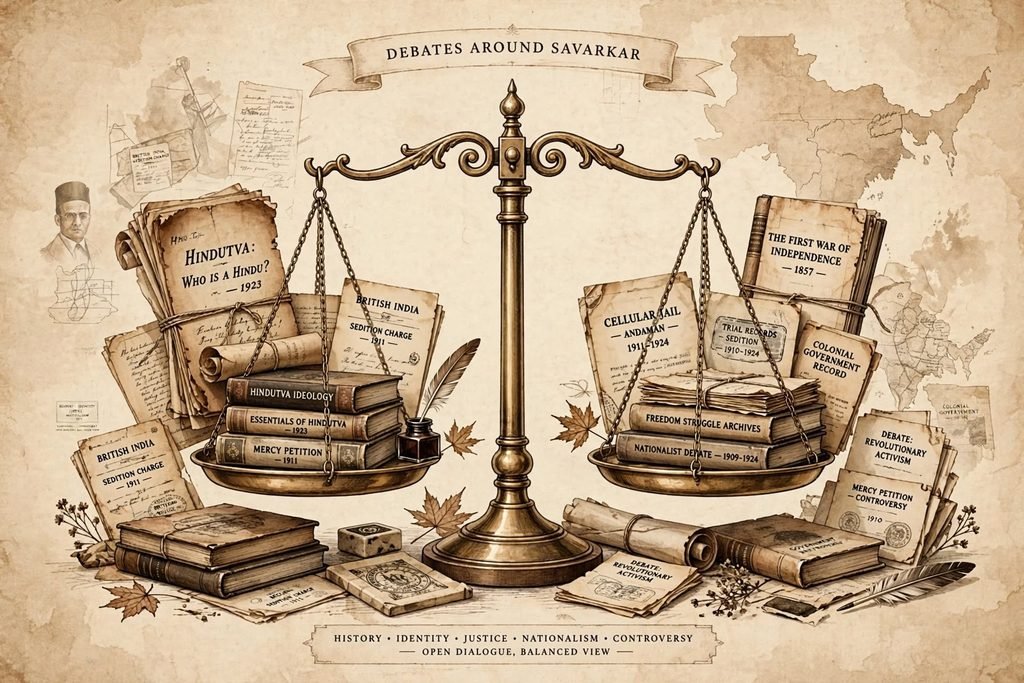
Savarkar’s legacy is complex. Some hail him as a visionary who laid the foundation for cultural nationalism, while others critique his ideological rigidity. His alleged involvement in the Gandhi assassination conspiracy, though legally acquitted, remains a point of contention.
Yet, historians like Vikram Sampath argue that reducing Savarkar to controversies ignores his broader contributions to literature, reform, and freedom struggle.
Why Savarkar Still Matters
Savarkar’s multi-dimensional personality makes him relevant even today. His emphasis on self-reliance, rationalism, and national pride resonates with contemporary India’s aspirations.
For students, researchers, and patriots alike, studying Savarkar is not about agreeing or disagreeing—it is about engaging with a mind that shaped India’s intellectual landscape.
FAQs
Q1. Why is Veer Savarkar called a multi-faceted personality? Because he was simultaneously a freedom fighter, writer, poet, historian, social reformer, and political thinker.
Q2. What was Savarkar’s most influential book? The Indian War of Independence of 1857, which redefined the revolt as a national struggle.
Q3. Did Savarkar support social reform? Yes, he campaigned against untouchability, caste discrimination, and promoted widow remarriage.
Q4. What is Savarkar’s connection to Hindutva? He authored Essentials of Hindutva, laying the foundation for cultural nationalism.
Q5. Why is Savarkar controversial? His political ideology and alleged links to Gandhi’s assassination remain debated, though he was acquitted in court.
Conclusion
To conclude, Veer Savarkar, was a multi-faceted personality whose life cannot be confined to a single narrative. His revolutionary zeal, literary brilliance, social reformist vision, and political thought make him one of the most complex figures in Indian history.